OUR SERVICES
- Home
- ouR SERVICES
Our Treatment Services
Low-Intensity Residential Treatment (ASAM Level 3.1)
Relapse
Prevention
Learn strategies to avoid setbacks and maintain sobriety.
Recovery
Skills
Develop essential life skills in a nurturing setting.
Community Reintegration
Get support for re-entering work, school, and family life.
Treatment Includes
At least 5 hours of structured treatment per week
Individual, Group, and Family Therapy
Medication Adherence Monitoring
Addiction Pharmacotherapy
Random Urine Screening to reinforce treatment progress
In addition to these core services, we offer personalized support to meet the individual
needs of each client, ensuring holistic care.

Case Management
Our case management services provide coordinated care tailored to each individual.
Case managers guide clients through recovery resources, help create life plans, and assist with housing, employment, and healthcare needs, promoting stability and self-sufficiency.

Group Counseling
In group counseling, clients can share their experiences, develop coping strategies,
and build relationships. These sessions emphasize communication, interpersonal skills, and support within a community framework

Cognitive Behavioral Therapy (CBT)
CBT helps clients identify and shift negative thinking patterns that may contribute
to substance use. This evidence-based approach equips individuals with strategies to manage stress and prevent relapse.

Patient-Centered Care
We take a personalized approach to care, ensuring each treatment plan is customized
to the individual’s goals, needs, and preferences. Clients actively participate in their recovery, empowering them to take ownership of their healing process.
Motivational Interviewing (MI)
This counseling method helps clients resolve ambivalence and build motivation
for
change. MI focuses on enhancing confidence and readiness for recovery through a collaborative and respectful approach.

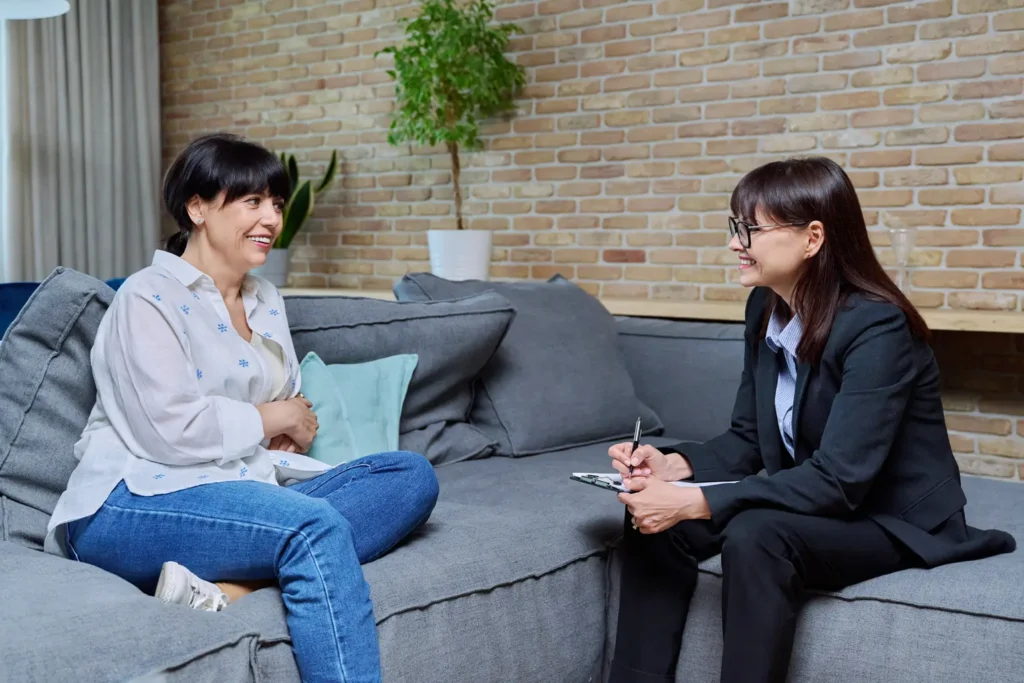
Individual Counseling
One-on-one sessions offer a safe space to explore personal struggles, address underlying
issues such as trauma, and develop recovery strategies. These sessions build
self-awareness, resilience, and coping mechanisms.